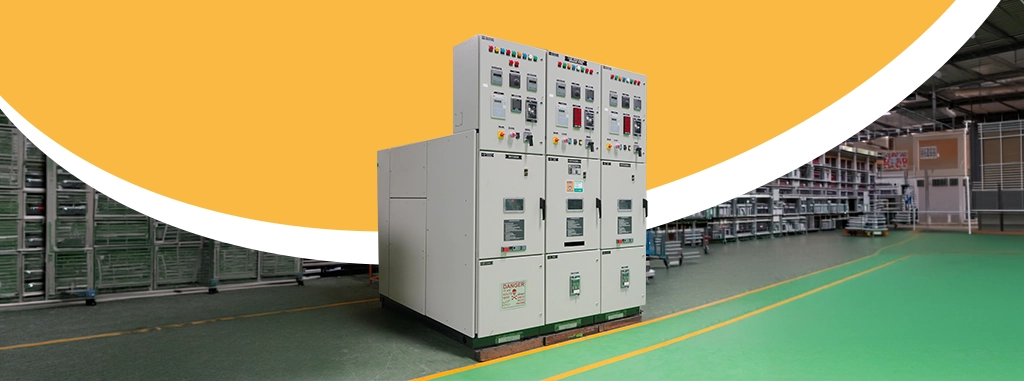
What Are Type Tested Electrical Panels?
Definition of Type Tested Electrical Panels
Electrical panels that have undergone a set of standardized tests to confirm their functionality under specific electrical and environmental circumstances are known as type-tested panels. These tests verify that the panel design functions securely as a whole, including busbars, insulation systems, temperature rise limitations, short-circuit resist capacity, and protective coordination.
To put it simply, certification of individual components is insufficient. It is necessary to test and validate the complete constructed panel as a single functional unit.
This distinction is essential for consultants during final approval and design review.
How Type Testing Validates Electrical Panel Performance
Type testing ensures that the panel can handle real-world operating stresses such as:
- Short-circuit faults
- Thermal rise under full load
- Dielectric strength
- Mechanical impact
- Clearance and creepage distances
These validations reduce the risk of overheating, internal arcing, or system failure after installation. When properly documented, they also provide clear evidence during inspections and authority approvals.
Specifying Type tested electrical panels minimizes uncertainty during commissioning and protects project stakeholders from performance-related disputes.
Standards That Govern Type Tested Panels (IEC 61439)
IEC 61439 is one of the most widely accepted standards for low-voltage panel assemblies worldwide. This standard specifies construction guidelines, performance testing standards, and design verification requirements for electrical panels.
IEC 61439 requires panels to show compliance in areas like:
- Limits on temperature rise
- Strength of short-circuit resistance
- Protection against electric shock
- Mechanical operation
- Internal separation and insulation
Working with experienced manufacturers of electrical control panels who follow IEC 61439 in their design and construction guarantees that the panels provided are not only constructed but also completely compliant and verifiable.
Why Electrical Safety Is a Top Priority in Commercial Buildings
Electrical safety in commercial buildings is now a liability, regulatory, and business continuity concern rather than merely a design one. The margin for electrical error decreases as projects advance toward smarter infrastructure and larger capacity systems.
Today, safety is closely related to regulatory approval and performance verification for consultants who design systems.
Increasing Power Loads in Modern Infrastructure
Compared to conventional facilities, modern commercial buildings use a lot more electricity. The need for electricity is increased by data centers, centralized HVAC systems, high-speed elevators, intelligent lighting controls, access systems, and EV charging stations.
Increased loads result in increased thermal stress and fault levels in panel assemblies. Because of this, choosing type-tested electrical panels is essential. In order to properly manage these increasing loads without overheating, insulation failure, or internal defects, panels must be certified.
There may be long-term operating problems if under-rated or unverified panels are specified in high-demand settings.
Risks of Electrical Failures in Commercial Spaces
In commercial buildings, electrical malfunctions may lead to:
- Fire risks and internal arcing
- Damage to equipment
- Risks to occupants’ safety
- Failure to comply with inspection procedures
- Complications with insurance and responsibility
Commercial infrastructure operates continuously and with higher loads than residential systems. If the assembly hasn’t been tested to resist real-world stress conditions, even a little defect inside a panel can soon get worse.
For this reason, panels supplied by certified electrical control panel manufacturers who can offer verified test data and documentation are increasingly favored by compliance requirements.
Impact of Electrical Failures on Business Operations
Beyond safety, electrical failure directly affects business continuity. In commercial buildings, downtime can disrupt:
- Tenant operations
- IT systems and data integrity
- HVAC and environmental controls
- Security systems
- Revenue-generating activities
For developers and consultants, this means electrical design decisions influence not just handover approval but long-term operational stability.
Specifying Type tested electrical panels helps reduce the risk of failure after commissioning, ensuring long-term safety and operational reliability.
Why Commercial Buildings Must Use Type Tested Electrical Panels in 2026
By 2026, commercial building compliance will demand more than basic component certification. Authorities, third-party inspectors, and clients increasingly expect complete system verification.
Here’s why.
Compliance With Modern Electrical Standards
Electrical standards are evolving to address higher loads, complex integration, and increased safety expectations. Regulatory bodies now look for documented design verification, fault withstand capacity, and thermal performance validation.
Type-tested assemblies align with standards such as IEC 61439, making compliance smoother during inspections and final approvals. When panels are sourced from experienced electrical control panel manufacturers, documentation and certification are readily available – reducing approval delays.
Improved Protection Against Short Circuits and Overloads
Short circuits and overloads are among the most common electrical risks in commercial buildings. Type testing verifies that the panel can safely withstand defined short-circuit levels and manage temperature rise under full load conditions.
This ensures that in the event of a fault, the assembly can contain and manage the energy without catastrophic failure – protecting both infrastructure and occupants.
Proven Reliability Through Factory Testing
Unlike site-assembled or loosely verified boards, Type tested electrical panels undergo controlled factory testing. This includes verification of:
- Thermal performance
- Dielectric strength
- Short-circuit withstand capability
- Mechanical integrity
For consultants, this provides measurable proof of performance – something that becomes critical during project audits and compliance checks.
Reduced Risk of Electrical Fires and System Failures
Electrical fires often originate from overheating, insulation breakdown, or internal arcing. Type-tested assemblies are validated to minimize these risks by ensuring correct clearances, material integrity, and heat dissipation performance.
Specifying tested systems significantly lowers long-term liability exposure for developers and consultants alike.
Consistent Performance Under High Load Conditions
Commercial buildings in 2026 will operate under sustained high load conditions from centralized cooling systems to data-heavy operations. Panels must perform consistently without degradation.
Type tested electrical panels are designed and validated for stable performance under such demanding conditions, ensuring that system behavior remains predictable even at peak capacity.
For professionals responsible for specification and handover, this consistency is essential for delivering buildings that are both compliant and operationally dependable.
Also Read: Why Are Type Tested Electrical Panels Mandatory on Commercial Projects Now?
The Role of Electrical Control Panel Manufacturers in Ensuring Compliance
Specifying Type tested electrical panels is only one part of compliance. The real assurance comes from the capability of the electrical control panel manufacturers behind those assemblies.
In commercial projects, compliance is not just about selecting components, it’s about ensuring the entire panel is engineered, tested, documented, and delivered according to recognized standards. This is where the manufacturer’s expertise becomes critical.
Designing Panels That Meet Industry Standards
Reputable electrical control panel manufacturers design assemblies in line with standards such as IEC 61439 and other applicable codes. This involves more than arranging components inside an enclosure.
It includes:
- Verified busbar sizing and short-circuit ratings
- Proper internal segregation and clearances
- Thermal management calculations
- Coordination of protection devices
- Defined ingress protection (IP) ratings
A properly engineered design ensures that the final assembly performs safely under real operating conditions and not just under theoretical assumptions.
Conducting Mandatory Factory Tests
Factory testing is a non-negotiable step in delivering compliant Type tested electrical panels. These tests validate that the assembly meets required performance criteria before it reaches the site.
Typical verifications include:
- Visual and mechanical inspection
- Dielectric testing
- Functional testing of protection devices
- Temperature rise verification
- Short-circuit withstand validation (where applicable)
Factory-controlled testing eliminates uncertainty and reduces the risk of non-compliance during site inspections.
Providing Certification and Technical Documentation
For consultants and project managers, documentation is often as important as performance. During inspection and handover, authorities may require:
- Type test certificates
- Design verification reports
- Single-line diagrams
- General arrangement drawings
- Bill of materials
- Compliance declarations
Experienced electrical control panel manufacturers provide complete technical documentation, ensuring smoother approvals and reducing last-minute compliance issues.
Ultimately, selecting the right manufacturing partner strengthens the integrity of the specification and protects the project from avoidable delays or regulatory challenges.
Risks of Using Non – Type Tested Electrical Panels
While cost savings may tempt some developers to consider non–type tested electrical panels, doing so can create significant risks for commercial buildings. For consultants responsible for specifying panels, understanding these risks is essential for compliance and long-term operational safety.
Increased Electrical Safety Hazards
Non–type tested panels have not undergone full factory validation. As a result, they may:
- Overheat under full load
- Fail to contain short-circuit faults
- Have inadequate insulation or internal clearances
These issues increase the likelihood of electrical accidents, equipment damage, and fire hazards.
Higher Maintenance and Failure Rates
Panels that aren’t type tested often experience frequent failures or require repeated maintenance. In commercial environments with high electrical loads, this can disrupt critical systems such as HVAC, elevators, and IT infrastructure, leading to operational inefficiencies and increased lifecycle costs.
Compliance Issues During Building Inspections
Regulatory authorities and inspectors are increasingly requiring documented proof of type testing. Using non–certified panels can result in:
- Rejected inspections
- Requests for additional on-site testing
- Delays in building handover
For PMCs and M&E consultants, this can create significant project risk and jeopardize compliance sign-offs.
Long-Term Operational Risks
Beyond initial handover, non–type tested panels are more likely to underperform over time. Unreliable panels can lead to:
- Unexpected downtime
- Equipment damage
- Reduced system life
- Increased liability for facility managers
By specifying type tested electrical panels from qualified electrical control panel manufacturers, consultants can mitigate these risks and ensure long-term reliability, safety, and compliance.
How Type Tested Electrical Panels Improve Long-Term Building Reliability
Choosing type tested electrical panels isn’t just about meeting compliance standards, it directly affects the long-term reliability and performance of a commercial building. For consultants and project managers, specifying panels that are tested and certified ensures both operational efficiency and reduced risk over the building’s lifecycle.
Consistent Electrical Performance
Type tested panels are validated to operate reliably under rated loads and fault conditions. This ensures consistent voltage and current distribution throughout the building, reducing the risk of equipment tripping, overloads, or system downtime. Predictable performance is especially critical for buildings housing sensitive equipment like data centers or laboratories.
Better Load Management
Modern commercial buildings often have complex, high-demand electrical loads. Type tested panels are designed to handle these loads efficiently, with proper coordination of protection devices and optimized busbar design. This prevents bottlenecks, overheating, or imbalanced circuits, ensuring smooth operations across all electrical systems.
Enhanced Protection for Critical Infrastructure
Critical infrastructure such as HVAC systems, elevators, IT networks, and security systems relies on uninterrupted power. Type tested electrical panels provide robust protection against short circuits, overloads, and internal faults, reducing the risk of equipment failure. By specifying certified panels, consultants can safeguard high-value assets and ensure operational continuity for tenants and building operators.
Key Factors to Consider When Selecting Type Tested Electrical Panels
When specifying type tested electrical panels for commercial buildings, not all panels are created equal. Making informed choices ensures compliance, operational reliability, and long-term safety.
Panel Certification and Standards
The first step is verifying that the panel is fully type tested according to recognized standards, such as IEC 61439. Certification ensures that the panel’s construction, internal components, and performance have been independently validated. Always request documentation and test reports from the manufacturer as this is essential for inspections and handover approvals.
Short Circuit Ratings and Load Capacity
Panels must be able to safely handle the maximum fault current and continuous load expected in the building. Check that short-circuit ratings, busbar sizing, and thermal limits meet your project’s requirements. Properly rated panels reduce the risk of tripping, overheating, and internal damage which might be critical for maintaining safe and reliable operations.
Reputation of Electrical Control Panel Manufacturers
Finally, the credibility of the electrical control panel manufacturer is vital. Experienced manufacturers provide reliable design, rigorous factory testing, and complete technical documentation. Choosing a reputable supplier minimizes risk during installation and commissioning, and ensures ongoing support if modifications or maintenance are needed.
By focusing on these factors, consultants can confidently specify type tested electrical panels that meet compliance requirements, protect building infrastructure, and deliver reliable performance over time.
Conclusion
Safety and regulatory compliance are at the core of modern commercial building design. For architects, PMCs, and M&E consultants, specifying the right electrical systems is not just a best practice – it’s a responsibility.
Type tested electrical panels are essential for ensuring that commercial infrastructure operates safely, reliably, and efficiently. Their verified performance, factory-tested quality, and compliance with standards such as IEC 61439 make them the preferred choice for high-demand electrical systems.
Equally important is partnering with experienced electrical control panel manufacturers. Reliable manufacturers provide fully tested panels, complete documentation, and ongoing technical support, giving consultants and developers confidence during inspections, handover, and long-term operations.
Investing in certified, high-quality panels protects both building occupants and infrastructure, while simplifying compliance and strengthening operational reliability.